Professional Concrete Contractor for All Your Construction Needs
Engaging a competent concrete contractor is find this resource indispensable for the success of any construction project. Their expertise secures that tasks are completed swiftly and to a high standard. These professionals manage challenges with skill and have strong ties that facilitate material sourcing. Grasping local regulations and prioritizing safety are also critical dimensions of their role. Yet, many overlook the long-term benefits of choosing the right contractor. What factors should one assess when making this important decision?
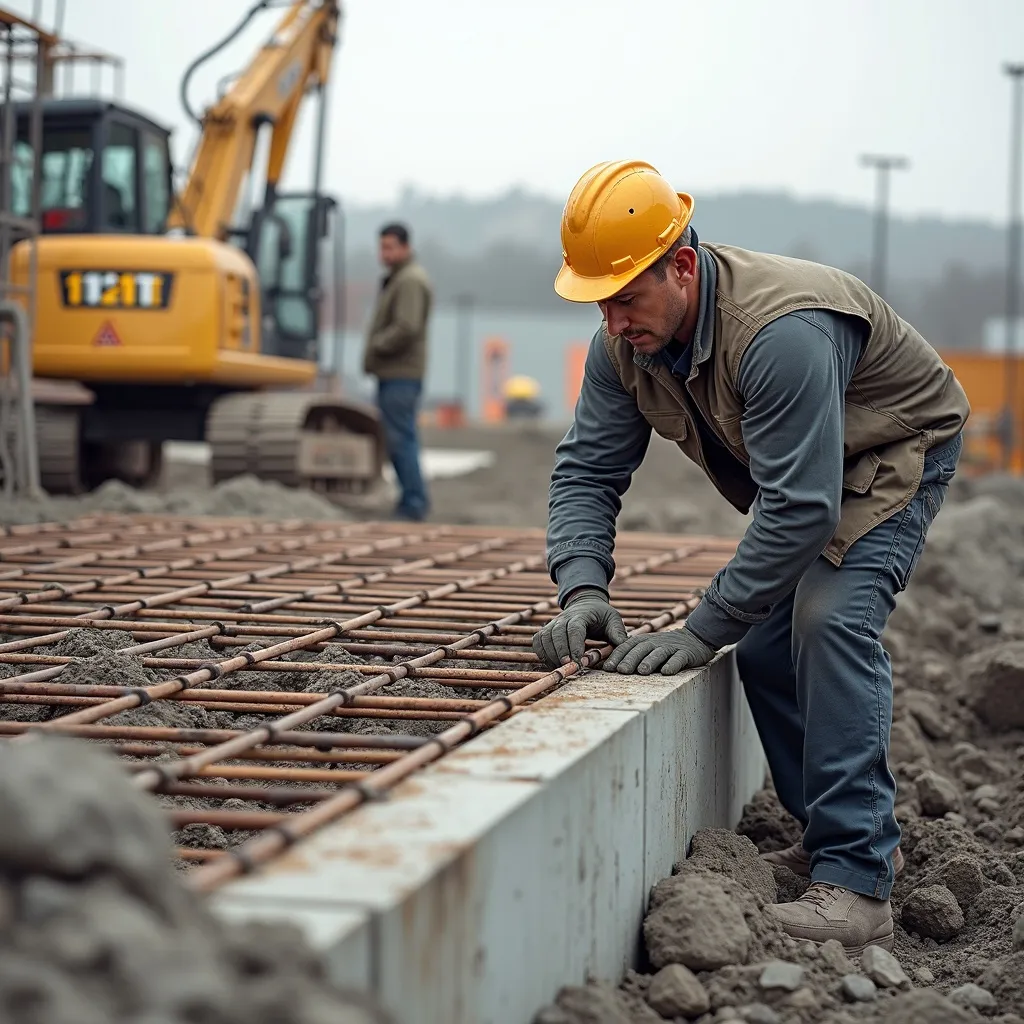
Why Hiring an Seasoned Concrete Contractor Matters
When evaluating a construction project, the significance of engaging an experienced concrete contractor is crucial. An experienced contractor brings a wealth of expertise and abilities that are vital for guaranteeing the quality and durability of concrete work. Their familiarity with various techniques and materials allows for better decision-making, ultimately producing a more robust and reliable structure.
Furthermore, seasoned contractors are skilled in navigating potential challenges that may occur during the construction process. They are equipped to manage unforeseen problems effectively, minimizing delays and extra expenses. In addition, an seasoned contractor often has established relationships with vendors and trade partners, which can optimize the acquisition of supplies and materials.
Key Attributes of a Dependable Concrete Contractor
A dependable concrete contractor possesses several crucial characteristics that distinguish them in the building sector. First and foremost, excellent communication abilities are vital; they ensure that clients are kept updated throughout the project, fostering trust and clarity. Furthermore, a strong track record built on positive customer feedback and recommendations demonstrates a contractor's reliability and work quality.
Furthermore, expertise with various concrete applications, paired with knowledge of the latest techniques and materials, allows them to generate superior results. Detailed attention is another significant quality, as it assures precise measurements and exceptional standards of workmanship.
In the end, a commitment to safety and adherence to regulations show professional standards and accountability. By incorporating these qualities, a reliable concrete contractor not only fulfills client needs but also supports favorable project results, making them indispensable in the construction field.
How to Select the Right Concrete Project for Your Requirements
Selecting the ideal concrete assignment requires meticulous thought of specific needs and objectives. Individuals should begin by evaluating the intended use of the concrete, whether for driveways, foundations, or decorative elements. A clear understanding of the project's purpose guides the selection of materials and methods.
Next, financial limitations have an crucial role. Examining accessible funds assists in establishing the scope and intricacy of the project. Additionally, the local climate can impact the choice of concrete variety and finishing techniques, ensuring long-term performance and strength.
It is also vital to account for the schedule for project completion. Some concrete applications demand curing time, which may affect scheduling. Consulting with an skilled concrete professional can deliver valuable insights into the recommended techniques and possible choices. Ultimately, matching the project's specifics with personal requirements leads to a successful concrete undertaking that meets the intended results.
What You Should to Grasp About Local Concrete Regulations?
Understanding local concrete guidelines is necessary for any construction project, as these rules specify various aspects of concrete application, including material specifications, installation methods, and environmental considerations. These policies are typically implemented by administrative or governmental authorities and can range widely from one location to another.
Contractors should recognize zoning laws, which can dictate where concrete structures may be erected. Additionally, building codes typically set forth the required strength and composition of concrete mixes, promoting safety and durability. Environmental regulations may also impose the use of eco-friendly materials and proper waste disposal methods to decrease environmental impact.
Noncompliance with these regulations can produce assessments, project postponements, or even legal action. In turn, communicating with local authorities in the initial phases of the planning process is wise. Understanding and complying with these regulations not only supports community safety but also reinforces the integrity of the construction project.
How Experienced Contractors Save You Valuable Hours and Money
Expert contractors serve a pivotal role in optimizing construction projects, allowing clients to benefit from both time efficiency and cost reductions. Their extensive experience enables them to handle complex tasks swiftly, decreasing the overall project timeline. By leveraging industry connections, expert contractors often obtain better rates on materials, converting to lower costs for clients.
Moreover, their knowledge of local regulations guarantees compliance, which minimizes the chance of costly delays and fines. Effective project management is another major advantage, as these professionals manage workforce and resources, avoiding obstacles that can lead to higher expenses.
Moreover, by employing proven techniques, skilled professionals reduce the likelihood of mistakes, which can cause costly revisions. Ultimately, engaging a seasoned contractor not only enhances the caliber of the undertaking but also optimizes financial resources, making it a wise choice for any construction endeavor.
Why Premium Resources and Approaches Matter in Concrete Work
Superior standards in concrete work is important, as it directly impacts the durability and longevity of any construction project. The selection of high-grade materials plays a critical role; inferior concrete can lead to cracking, erosion, and structural failure over time. Using quality aggregates, cement, and additives guarantees that the final product can withstand environmental stresses and heavy loads.
Furthermore, employing advanced techniques throughout the mixing, pouring, and curing stages significantly improves the integrity of the material. Proper mixing ratios and hardening techniques help attaining ideal durability and minimize vulnerabilities. Experienced professionals comprehend these nuances and apply best practices to secure superior results.
Ultimately, putting money into high-quality materials and methods not only enhances the structural performance but also minimizes long-term maintenance costs. This basis of dependability is crucial for both residential and commercial projects, assuring that they stand the test of time. Quality in concrete work is an investment that pays dividends.
Frequently Inquired Questions
Which Categories of Cement Services Do Professionals Usually Provide?
Concrete contractors commonly provide a wide range of services including pouring foundations, installing driveways, decorative concrete work, slab building, sidewalk and patio installation, repair and resurfacing, as well as concrete recycling and demolition.
What is the typical timeline for a standard concrete task?
A regular concrete project customarily takes between one to three days, influenced by factors such as project size, complexity, weather conditions, and curing time. Larger or more intricate projects may entail additional time for completion.
What Are the Ordinary Evidence of Faulty Concrete Work?
Typical signs of poor concrete craftsmanship include noticeable fractures, irregular texture, improper drainage, color variation, flaking, and surface dusting. These problems typically suggest insufficient hardening, incorrect blending, or insufficient preparation, undermining the structure's integrity and longevity.
May I Inquire about Custom Designs for My Concrete Project?
Yes, bespoke designs for concrete undertakings can be obtained. Many contractors offer flexibility in design, allowing clients to incorporate distinctive characteristics and design elements that align with their vision, enhancing both effectiveness and aesthetic charm.
How Can Weather Conditions Effect Concrete Curing Processes?
Weather factors greatly affect concrete hardening. High temperatures can speed up drying, leading to cracking, while cold can delay the process, risking incomplete hydration. Ideal curing requires moderate temperatures and controlled moisture to ensure durability and strength.